


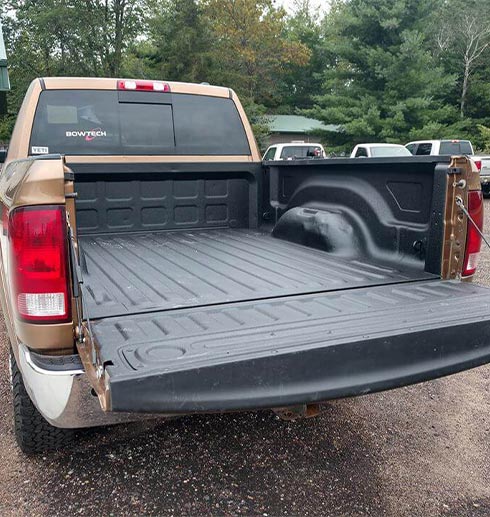
When Should You Replace an Old Truck Bed Liner in Eau Claire?
A truck bed liner takes plenty of abuse in western Wisconsin. Between hauling equipment, winter road salt, gravel, firewood, landscaping materials, and everyday cargo, an aging liner can eventually stop protecting the metal underneath. Knowing when that protection has reached the end of its useful life can help Eau Claire truck owners address problems before exposed steel develops more damage.
A truck bed liner should generally be replaced when it has widespread peeling, cracking, bubbling, missing sections, persistent rust underneath, or damage that can no longer be repaired effectively. Minor wear may only require attention to a small area, but extensive deterioration can leave the truck bed vulnerable to moisture, road salt, and repeated impacts. The condition of the liner matters more than its age alone.
What local truck owners should know
-
Small scratches or isolated damage do not automatically mean the entire bed liner needs replacement.
-
Eau Claire winters expose working trucks to snow, ice, moisture, and road salt, making damaged protective surfaces more important to address.
-
Trucks used around Eau Claire County for construction, landscaping, farming, and other demanding work may experience faster liner wear than lightly used vehicles.
-
Peeling or loose material can allow water and debris to collect against the truck bed instead of protecting it.
-
The condition of the metal underneath should be considered when deciding between repairing and replacing an old liner.
Why Does an Old Truck Bed Liner Matter in Eau Claire?
An old truck bed liner matters in Eau Claire because once the protective layer is compromised, moisture, salt, dirt, and cargo impacts can reach areas that were previously covered. Western Wisconsin’s winter conditions and seasonal temperature changes can make existing liner damage more troublesome over time.
Winter is an obvious concern. Trucks traveling along I-94, US 53, and local roads can encounter salty slush and wet winter debris. That material can end up around the tailgate and inside a bed used for hauling snow-covered tools, equipment, or supplies.
Spring and fall bring their own challenges. Wet leaves, soil, landscaping materials, and rainwater can sit in damaged areas. Repeated freezing and thawing may also put additional stress on material that is already cracked or separating.
Linings of Eau Claire LLC helps local truck owners evaluate bed liner needs. When we look at an aging liner, the goal is to consider both the visible condition of the liner and what may be happening at the truck bed surface underneath.
What Do We Commonly See With Aging Truck Bed Liners?
Aging truck bed liners commonly show wear at high-contact areas, including the floor, wheel wells, tailgate, and places where cargo repeatedly slides or strikes the surface. These are practical field observations rather than published statistics, and the amount of wear varies based on truck use and liner condition.
A pickup that spends most of its time commuting around Eau Claire may have very different wear from one regularly carrying construction materials, firewood, scrap, tools, or landscaping supplies.
Heavy use can gradually thin protective material. Sharp cargo can create cuts or gouges. If a liner begins separating from the surface, moisture and debris may find their way beneath loose sections.
That is why appearance alone does not always tell the full story.
What Are the Warning Signs That a Truck Bed Liner Needs Replacement?
The strongest warning signs that a truck bed liner may need replacement are widespread peeling, deep cracks, bubbling, exposed metal, recurring rust, and large worn-through areas. One small damaged spot may be repairable, while deterioration across several parts of the bed can point toward replacement.
Watch for these signs:
-
Large sections of liner are peeling or separating from the truck bed.
-
Bare metal is visible through worn or damaged areas.
-
Cracks continue to spread across the liner.
-
Bubbles or raised sections suggest poor adhesion underneath.
-
Rust is visible around damaged or exposed areas.
-
Previous repairs are failing or new damage keeps appearing nearby.
-
The bed floor has become significantly thinner or more worn than surrounding areas.
-
Damage around the tailgate or wheel wells is extensive rather than isolated.
Checking these areas is especially worthwhile before and after an Eau Claire winter.
When Should You Have a Professional Inspect the Bed Liner?
A professional inspection makes sense when liner damage is widespread, rust may be developing underneath, large areas are separating, or you cannot tell whether the existing surface can be repaired. Small cosmetic marks can usually be monitored, but deeper damage deserves a closer look.
Truck owners can safely perform basic visual checks. Empty the bed, remove loose debris, and look closely at the floor, corners, wheel wells, tailgate, and other high-use areas.
Do not assume that covering an existing problem will solve it. If corrosion or poor adhesion exists underneath an old liner, the underlying condition may need attention before a new protective surface is applied.
What Commonly Causes Truck Bed Liner Damage in Eau Claire?
Truck bed liner damage in Eau Claire commonly comes from repeated cargo impacts, abrasion, moisture, winter contaminants, and normal aging. Local trucks that work throughout Eau Claire County, Altoona, Lake Hallie, and surrounding communities can experience several of these conditions during the same year.
Heavy or sharp cargo: Concrete blocks, metal tools, equipment, lumber, and similar materials can scrape or gouge a liner.
Sliding loads: Cargo that moves repeatedly across the bed can gradually wear high-contact areas.
Winter exposure: Snow-covered equipment and salty road debris introduce moisture and contaminants into the bed.
Existing surface damage: Once a liner has a significant crack, hole, or loose edge, continued use may enlarge the affected area.
Age and repeated use: Protective surfaces naturally experience wear, particularly on trucks used regularly for demanding work.
How Can You Extend the Life of a Truck Bed Liner?
You can extend the life of a truck bed liner by keeping the bed clean, checking damage early, securing cargo, and avoiding unnecessary abrasion. In western Wisconsin, inspections before winter and again after the snow season are practical times to catch developing problems.
Rinse or clean out material that could hold moisture against the bed. Pay particular attention after hauling soil, mulch, gravel, salty equipment, or wet debris.
Secure heavy cargo so it does not slide unnecessarily. Periodically inspect the tailgate, corners, wheel wells, and bed floor for cuts or worn areas.
DIY maintenance should focus on cleaning and visual monitoring. When damage involves significant peeling, rust, widespread adhesion failure, or exposed metal, professional evaluation can help determine the appropriate next step.
What Results Can You Expect From Replacing a Worn Bed Liner?
Replacing a worn bed liner can restore a protective surface over a properly prepared truck bed and address areas where the old liner no longer provides adequate coverage. The exact result depends on the condition of the underlying bed and the preparation required before the new liner is applied.
Replacement is not simply about making an older truck bed look better. The more important objective is restoring protection where the previous liner has failed.
If rust or other underlying damage is present, that condition should be identified rather than simply hidden beneath another layer.
What Mistakes Should Eau Claire Truck Owners Avoid?
The biggest mistakes are ignoring exposed metal, covering over existing problems, and waiting until small areas of serious damage become widespread. A better approach is to inspect the liner periodically and evaluate deterioration based on both the liner and the truck bed underneath.
Mistake: Ignoring a peeling edge.
Consequence: Moisture and debris may work underneath the loose material.
Better approach: Have significant separation evaluated before it spreads.
Mistake: Assuming every scratch requires replacement.
Consequence: You may replace a liner when the damage is actually limited.
Better approach: Consider the size, depth, and location of the damaged area.
Mistake: Covering visible rust without addressing it.
Consequence: The underlying problem remains.
Better approach: Determine the condition of the metal before applying new protection.
Mistake: Waiting until after another Wisconsin winter.
Consequence: Existing exposed areas continue facing snow, moisture, and road contaminants.
Better approach: Inspect questionable areas before winter conditions arrive.
What Is a Common Local Truck Bed Liner Scenario?
A common local scenario is a work truck that still has a mostly intact liner but shows heavy wear near the tailgate and bed floor after years of hauling. The owner notices a few exposed areas while cleaning out the truck after winter.
That situation does not automatically mean replacement is required. The key questions are how extensive the wear is, whether the remaining liner is firmly bonded, and whether the underlying metal shows corrosion or other damage.
For trucks traveling between Eau Claire, Chippewa Falls, Altoona, and surrounding work sites, catching that deterioration early can make the available options clearer.
What Service Options Address an Aging Truck Bed Liner?
The appropriate service solution depends on whether the existing liner has isolated damage or widespread failure. An inspection can help determine the condition of the current liner, the truck bed underneath, and whether replacement is the more practical option.
At Linings of Eau Claire LLC, we can help local truck owners evaluate an aging bed liner and discuss available options based on its current condition.
Should You Repair or Replace an Old Truck Bed Liner?
Repair may make sense for limited damage, while replacement becomes more relevant when peeling, cracking, wear, or adhesion problems affect substantial portions of the bed. The underlying metal condition should also be part of the decision.
A small isolated defect is different from multiple worn-through sections. Likewise, a liner that remains securely bonded except for one damaged area presents a different situation from one lifting in several places.
For an older liner, focus on the overall condition rather than choosing replacement simply because a certain number of years have passed.
Where Can Local Truck Owners Get Bed Liner Help?
Truck owners in Eau Claire and nearby western Wisconsin communities can have aging bed liners evaluated when wear becomes difficult to judge. We serve local drivers who want to understand whether their current liner is still doing its job or whether replacement should be considered.
Nearby communities such as Altoona, Lake Hallie, and Chippewa Falls face many of the same seasonal driving and hauling conditions.
What Can Happen If You Ignore a Failing Bed Liner?
Ignoring a failing bed liner can leave more of the truck bed exposed to impacts, moisture, debris, and winter contaminants. Damage that starts in one location may also become more extensive as loose edges continue to lift or worn sections receive repeated abuse.
The goal is not to replace a liner at the first cosmetic flaw. It is to recognize when the protective surface is no longer providing reasonable coverage.
Checking the bed before another Eau Claire winter can be particularly useful if you already see exposed metal, peeling, or questionable areas.
FAQ
How old should a truck bed liner be before I replace it in Eau Claire?
Age alone does not determine when a truck bed liner needs replacement in Eau Claire. Condition and use are more important. A liner with good adhesion and coverage may still be serviceable, while one with widespread peeling, cracking, exposed metal, or underlying rust should be evaluated regardless of its age.
Can Eau Claire winters damage an already worn truck bed liner?
Yes, Eau Claire winters can make existing liner problems more concerning because trucks are regularly exposed to snow, moisture, freezing conditions, and road salt. If the liner already has cracks, missing sections, or loose edges, inspecting those areas before and after winter can help identify further deterioration.
Does a peeling truck bed liner always need complete replacement?
No, peeling does not automatically mean the entire liner requires replacement. A small isolated area may present different options than widespread adhesion failure. The location and extent of the peeling, along with the condition of the metal underneath, should be evaluated before deciding how to address it.
Should I worry about rust underneath my truck bed liner?
Yes, visible or suspected rust underneath a liner deserves attention because simply covering corrosion does not address the underlying condition. Eau Claire County trucks encounter plenty of moisture and winter road contaminants, so exposed or questionable areas should be examined before a replacement protective surface is applied.
When is the best time to inspect a truck bed liner in western Wisconsin?
Before winter and after the winter season are practical times to inspect a truck bed liner in western Wisconsin. A pre-winter check can identify exposed areas before snow and salt exposure, while a spring inspection can reveal damage or deterioration that became noticeable during months of winter use.
Can heavy hauling shorten the life of a bed liner?
Yes, frequent heavy hauling can increase wear, especially when loads slide, strike the bed, or contain sharp and abrasive materials. Trucks used around Eau Claire for construction, landscaping, property maintenance, or similar work should be checked periodically at the bed floor, tailgate, corners, and wheel wells.
Is exposed metal a sign that I need a new bed liner?
Exposed metal is a clear sign that the liner is no longer protecting that specific area, but it does not automatically determine whether complete replacement is necessary. The size of the exposed section, surrounding liner condition, and presence of corrosion all help determine whether localized attention or replacement is appropriate.
Can I put a new liner directly over an old damaged one?
A new protective surface should not simply hide unresolved problems underneath. Loose material, poor adhesion, corrosion, and other surface issues may need to be addressed as part of proper preparation. An evaluation can help determine what the existing Eau Claire truck bed needs before a new liner is applied.
Keep Your Truck Bed Ready for Western Wisconsin Use
A bed liner does not need to look brand new to keep doing its job, but widespread peeling, exposed metal, cracking, or underlying corrosion should not be ignored. Regular checks help Eau Claire truck owners recognize the difference between ordinary wear and a liner that may be ready for replacement.
Protect Your Truck Bed for the Work Ahead
We can help you evaluate your current bed liner and understand the available options without assuming that every scratch requires replacement.
Categorised in: Blog